
Valuable Pennies That Continue to Trade Above Collector Expectations
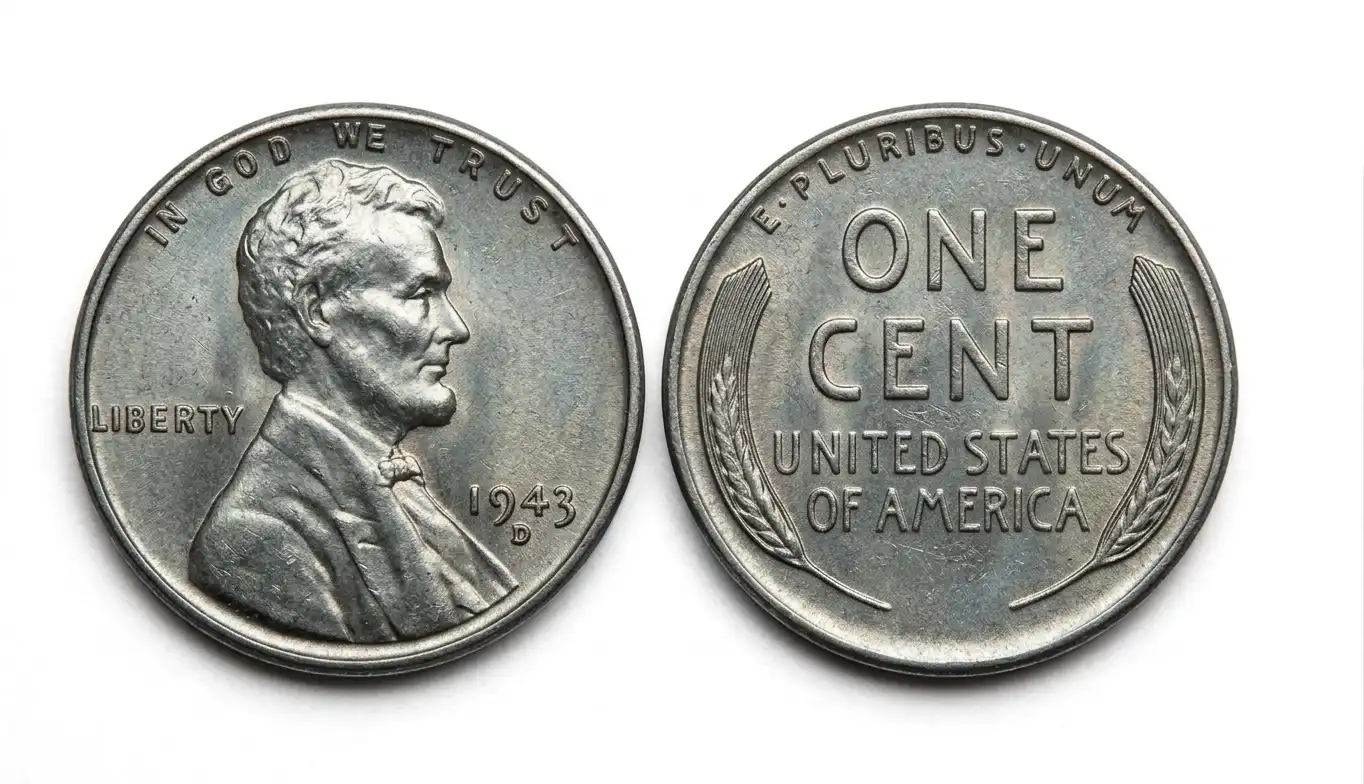
High-Performance Lincoln Series
Early issues demonstrate consistent liquidity in both public and private channels.
Collectors prioritize these dates for long-term hold strategies.
1909-S VDB Statistics
Initial release quantities were limited. Market demand remains resilient.
Current price points for MS-63 specimens:
2024 price: $900
2025 price: $925
2026 price: $950
Wheat Cent Rarities
Institutional investors favor specific dates within this series. Scarcity drives competition among high-end bidders.
1914-D Lincoln Cent Performance
Supply constraints define the current value trajectory. Verified specimens generate high returns upon resale.
Pricing data for MS-63 condition:
2024 price: $2000
2025 price: $2050
2026 price: $2100
Modern Variations and Niche Assets
Financial interest extends beyond older series. Specific modern minting errors offer short-term volatility opportunities.
1992 Close AM Specimens
These coins trade based on specific physical characteristics. Market value for MS-65 specimens in 2026 ranges between $15 and $25.
Rapid turnover remains key for profit generation here.
Error Coin Investment Framework
Strike defects create unique value propositions.
Investors specializing in these assets calculate ROI based on specific error percentages.
Repunched Digits and Letters
Repeated impressions significantly alter asset worth. Premiums increase relative to the clarity of the error.
Off-Center Strikes
Value scales linearly with the percentage of missing image.
Error Percentage | Market Value |
10% | $40 |
30% | $120 |
50% | $350 |
Technical Certification Protocols
Certification ensures asset liquidity. Professional grading services provide the standard for international trade.
When to Submit
Submission becomes mandatory for assets valued above $50.
Cost-benefit analysis favors group submissions to minimize per-coin fees.
Common Investment Pitfalls
Purchasing uncertified assets results in losses 25% of the time.
Failing to verify certification numbers in digital databases allows for countealt: valuable Lincoln penny with exceptional strike quality Profitable assets require clear verification of market demand versus supply. Investment-grade one-cent coins provide a stable alternative to traditional equities.
Current market valuable pennies trends indicate a steady increase in value for coins rated above MS-63. Profitability stems from identifying specific date rarities and certified strike errors.
Valuation Logic
Market prices derive from a few core factors. Scarcity remains the primary driver.
Certified slabs protect against surface damage and tampering. Historical auction results serve as the benchmark for pricing. Buyers pay premiums for specific grades because of liquidity.
Asset Class | Typical Entry Price (MS-63) | Growth Outlook |
1909-S VDB | $950 | Moderate |
1914-D Lincoln | $2050 | High |
1922 No D | $5400 | Stable |
Market Velocity and Sales Channels
Transaction data reveals deep insights into asset movement. Volume on digital platforms grew by 4% throughout 2026.
Public Auction Results
Sales records provide the only reliable indicator of real-world value. Early issues show a 3% price appreciation. Error coins maintain stable demand regardless of broader economic conditions.
Private Dealings
Off-market transactions avoid commission fees. Discretion allows large-scale investors to move capital efficiently. Intermediaries facilitate these private transfers to ensure quality control.
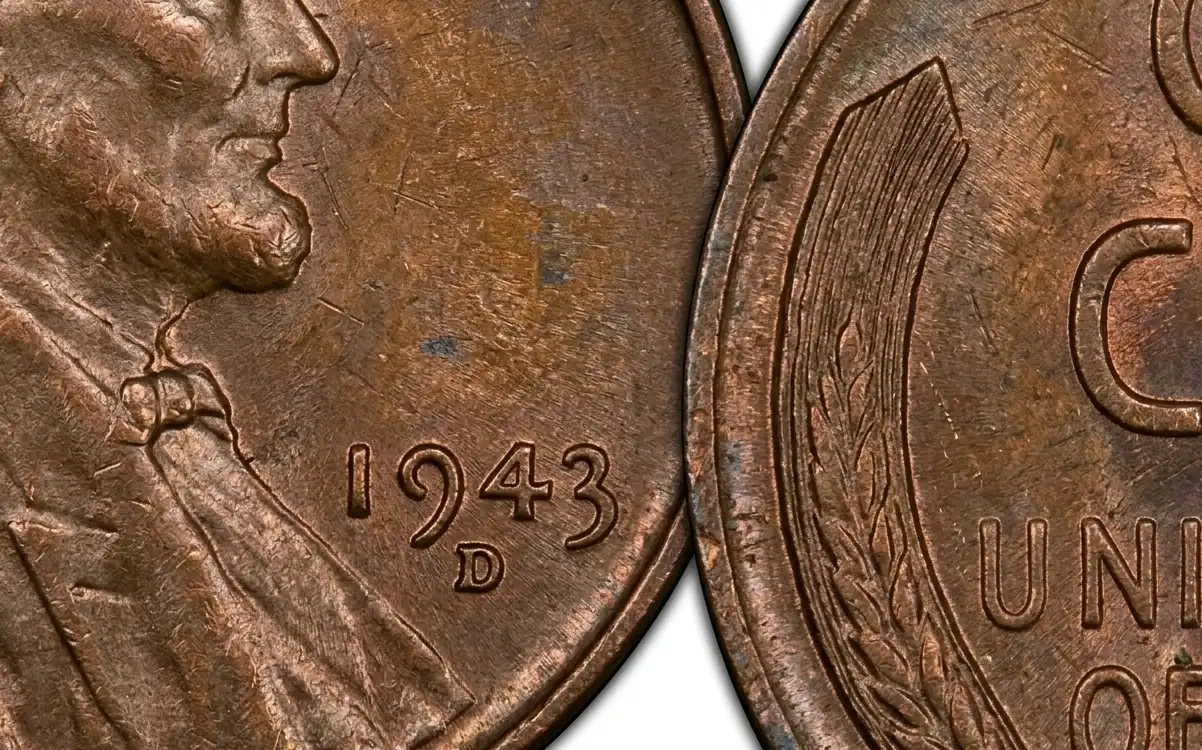
Asset Identification and Due Diligence
Technical specifications matter for accurate sorting. Standard one-cent coins measure 19.05 mm in diameter.
Weight standards depend on the production era.
Physical Parameter Checks
Diameter: 19.05 mm
Weight (post-1982): 2.5 g
Core: Silvery-gray base metal
Coating: Red-colored alloy
Metal Value Considerations
Assets produced before 1982 gain value from the underlying red-colored alloy. Current red-colored alloy content value trends:
2024 price: $0.024 per unit
2025 price: $0.026 per unit
2026 price: $0.028 per unit
Large-scale accumulation is necessary to realize meaningful gains from raw material value.
Portfolio Diversification Strategies
Smart capital allocation involves mixing rare dates with certified errors. Risk mitigation requires avoidance of coins with unverified histories.
Provenance Importance
Documented auction history increases resale value by 5%. Reliability attracts higher-tier buyers during liquidity events.
Statistical Selection Criteria
Data-driven investors use production-to-certification ratios.
Scarcity targets:
Less than 1.5% of total production certified in MS-65
High market demand for remaining specimens
Strategic Exit Planning
Profit realization requires long-term patience. Hold periods for top-tier coins should span at least two to three cycles.
Market monitoring tools enable real-time price comparison. Discrepancies of 10% occur between different dealers frequently.
Risk Management in Numismatics
Expert assessment minimizes capital loss. Fake error coins frequent online marketplaces. Verified status remains the ultimate safeguard.
1969-S Double Die Analysis
Specimens in high grades trade for up to $35000. Value retention remains excellent over three-to-five-hold periods.
Condition Preservation
Damage to the edge reduces asset value by 40%. Surface cleaning destroys investment potential entirely.
Professional storage protects against environmental degradation.